
Healthcare providers are increasingly using text messaging in healthcare to improve communication with patients, reduce missed appointments, and streamline clinic operations. With busy schedules and growing patient demands, healthcare organizations need efficient ways to stay connected with patients. SMS messaging offers a quick, reliable, and convenient communication channel. Research shows that many patients find appointment reminders extremely helpful, especially when managing multiple responsibilities. SMS messaging also encourages patients to stay engaged in their healthcare journey and follow recommended medical guidance. In this article, we explore the benefits of SMS messaging in healthcare, along with key use cases and best practices for implementing it successfully.
Benefits of using Text Marketing in Healthcare
Better health outcomes
SMS reminders help patients follow treatment plans more effectively. Messages can remind patients to take medications, follow pre-procedure instructions, or schedule routine health screenings.
Reduce Operational costs
It is a low-cost communication method that lowers phone bills and reduces the need for administrative staff, ultimately decreasing operational costs for healthcare providers.
Time saving for Healthcare Staff
Many tasks, such as sending appointment reminders, can be automated. This saves time and allows staff to focus on other important areas. It also reduces the need for repetitive phone calls, streamlining patient communication.
Reduced missed Healthcare Appointments
When a patient doesn’t show up, it can cause disruptions and waste time for doctors and staff. A simple SMS reminder a day before the appointment encourages patients to reconfirm or reschedule if needed.
Faster payment collection
A text messaging platform enables healthcare providers to send automated payment reminders, helping reduce late or missed payments that can disrupt cash flow.
Stronger Patient Relationships
Text messaging allows patients to easily contact the clinic when needed—whether to schedule appointments, request copies of medical records, ask for prescription refills, report side effects, or seek guidance. Using SMS, providers can respond promptly. This ongoing connection strengthens the relationship between patients and healthcare providers.
Use cases of SMS in Healthcare
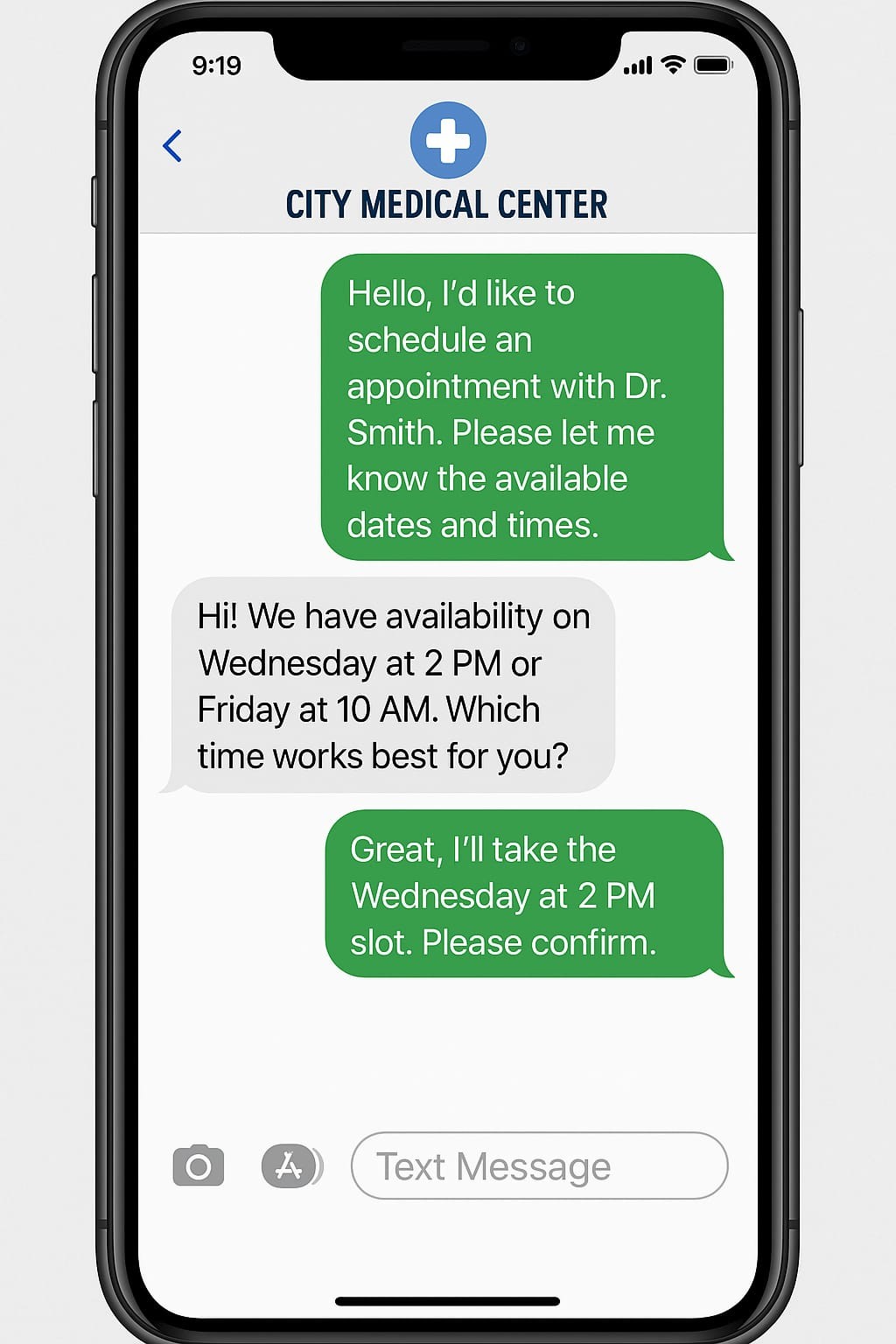
1-Appointment Scheduling
Using SMS, a patient can easily schedule an appointment without visiting the clinic or wasting minutes on a phone call. It reduces wasted time and lowers the chances of any miscommunication.
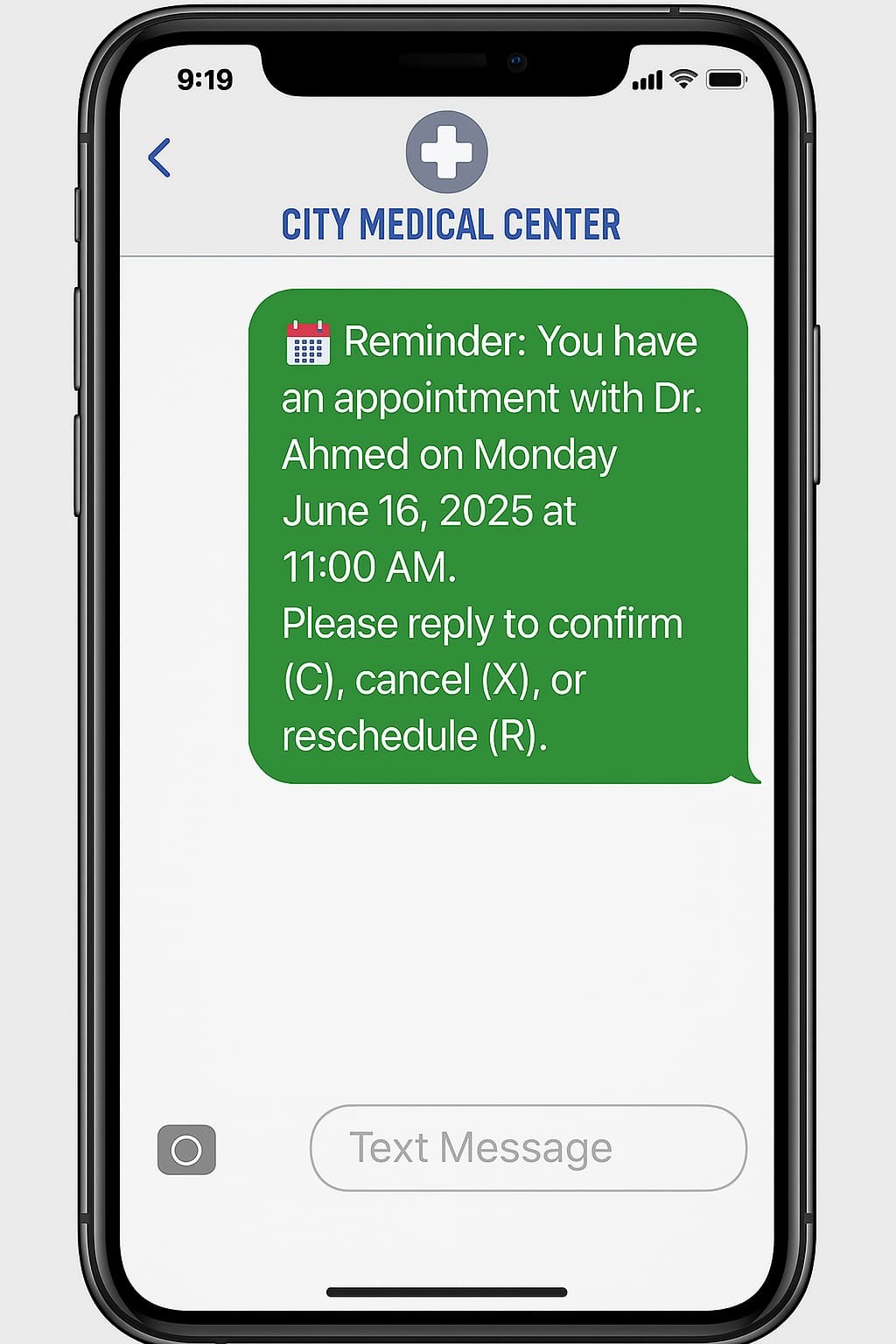
2-Appointment Reminders
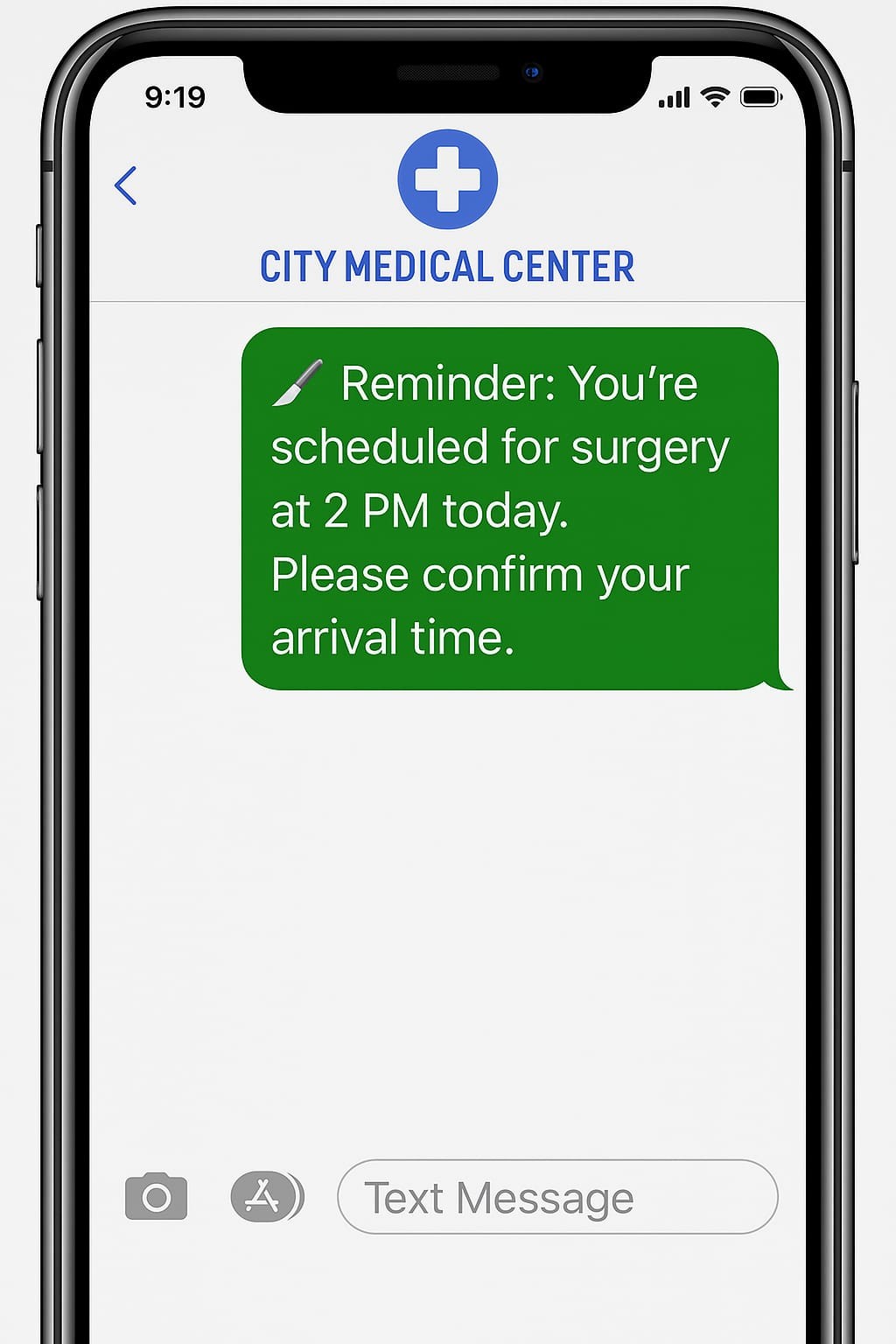
Missed appointments can cause a lot of disruptions. An SMS reminder can enable the patient to confirm it, cancel it, or get it rescheduled. It helps healthcare facilities optimize their schedules and resources. Additionally, healthcare facilities lose over $200 if a patient misses an appointment.
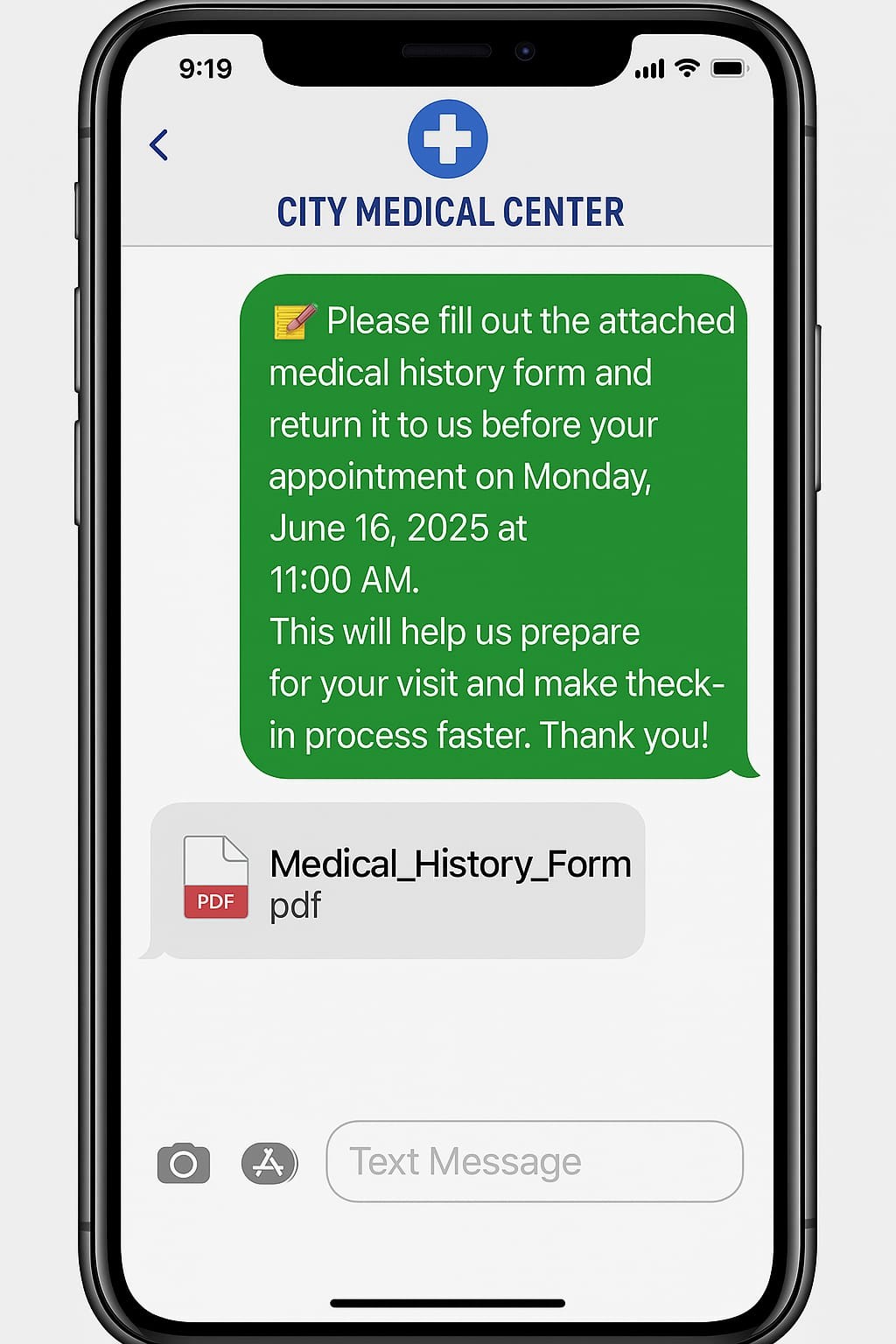
3- Pre-appointmetn Documentation
Patients can be asked to fill out specific documents in advance to share details about their medical history, family medical background, symptoms, concerns, insurance and payment information, or lifestyle habits. This helps save time and makes the check-in process faster and more efficient.
4-Patient Follow ups
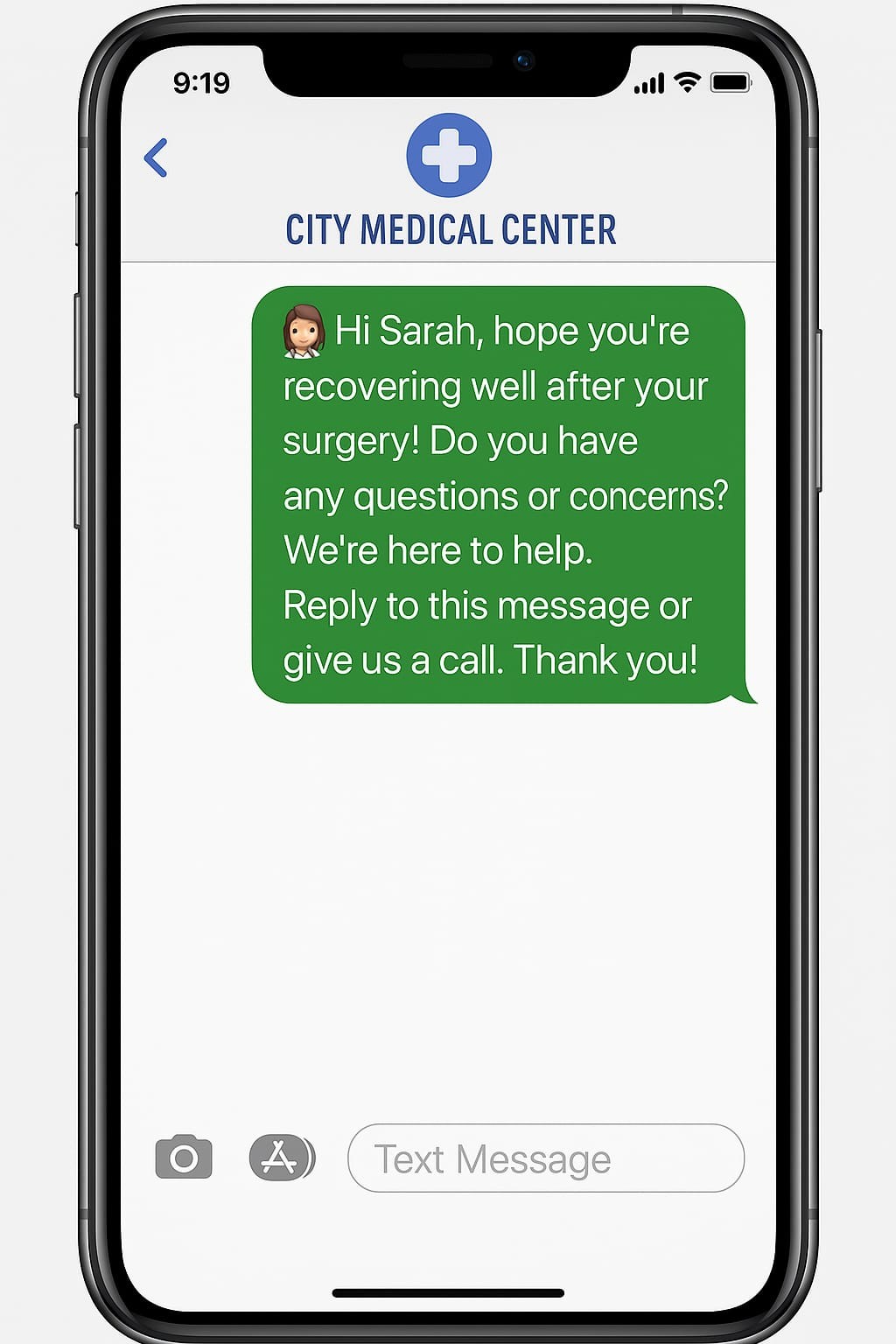
We can try following up with patients after their visits to check on their recovery after any procedure or treatment and answer their concerns, enhancing their satisfaction. Using SMS follow-ups in healthcare helps improve patient experience.
5-Collecting Patient Feedback
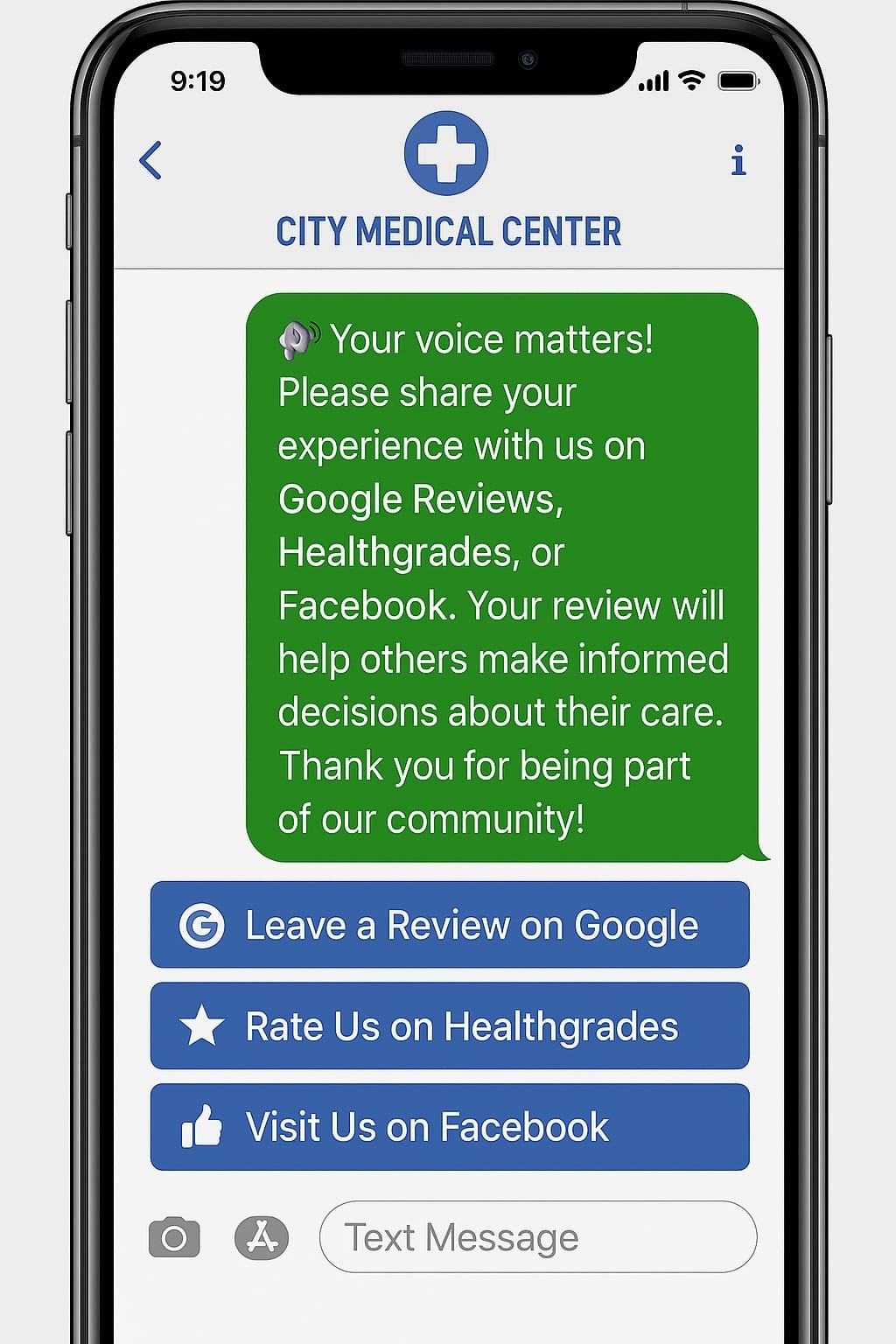
Patients can be asked to give feedback by inserting a link to a survey in the text message. Secondly, you can also request them to post a public review. Around 75% of Americans read reviews before booking an appointment. An automated SMS message can be sent to patients right after their visit to encourage feedback and improve online reputation.
6-Medication Reminders for Patients
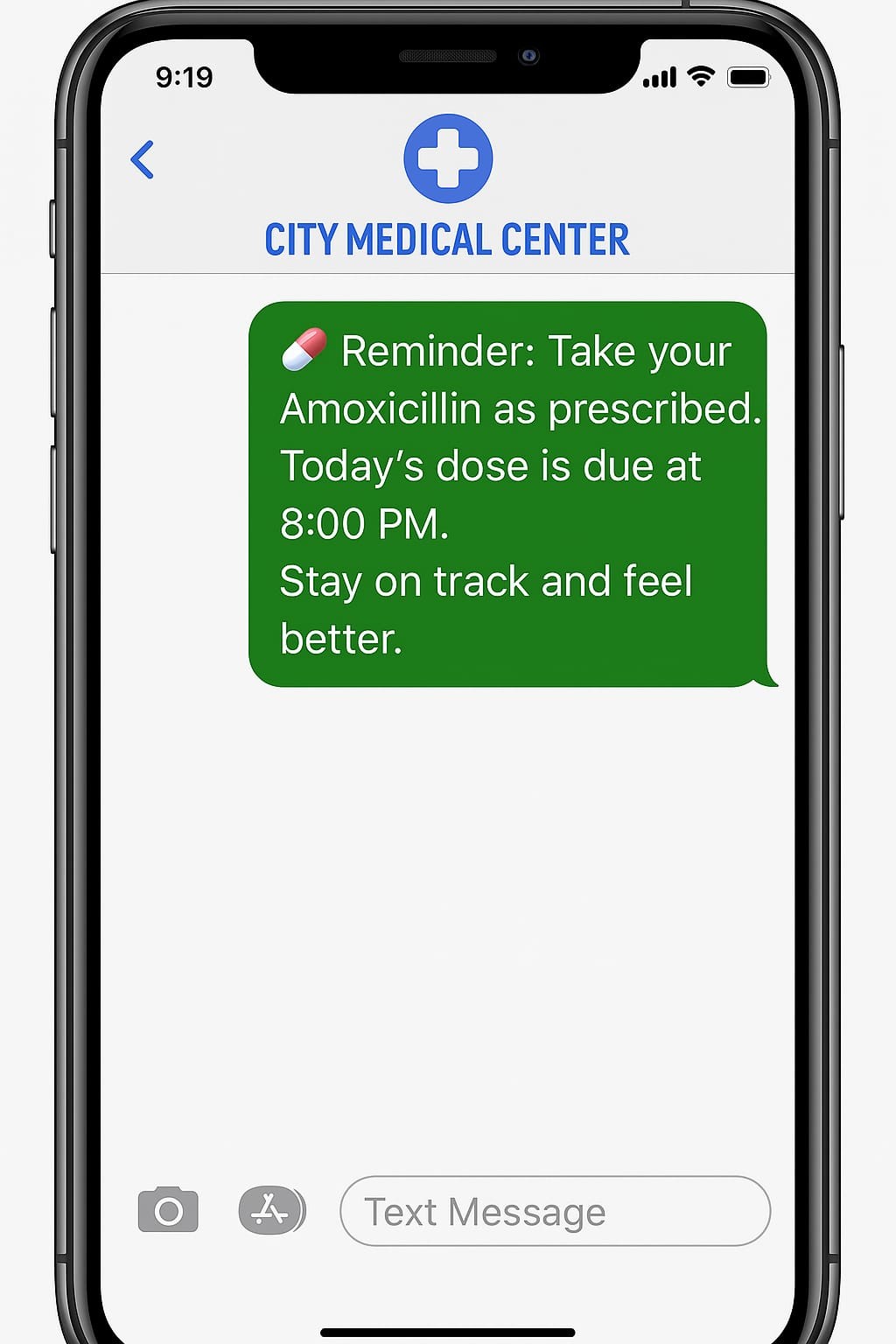
Patients often tend to forget taking their medications due to busy schedules. Automated text reminders can help them stay organized and take their medicines as prescribed to avoid any missed doses or complications.
7-PatientSupport
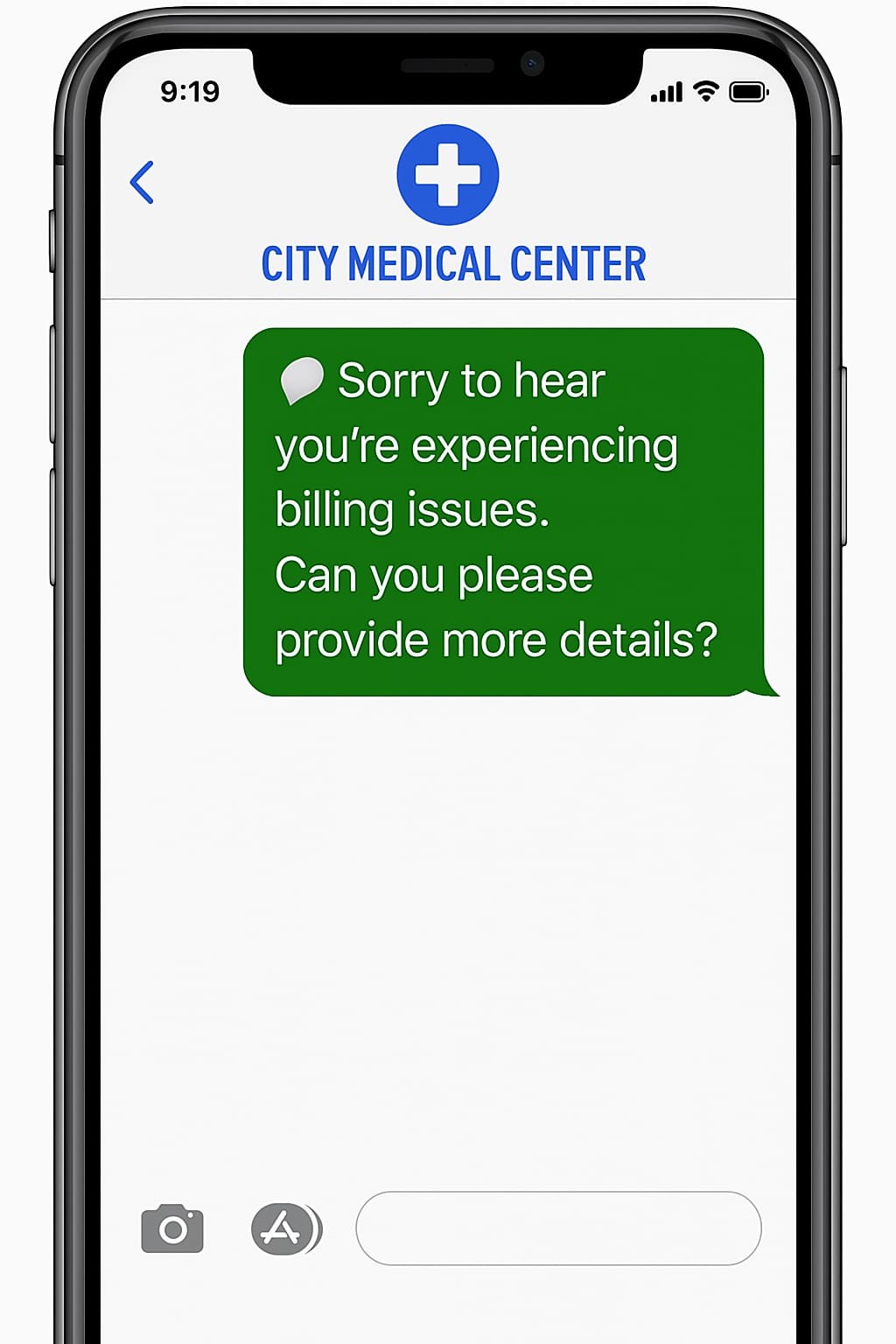
Text messaging can be used to provide assistance to patients when needed—whether it’s about billing support, discharge instructions, or even sending the hospital’s location. It offers quick, convenient, and support when patients need it most.
8-Internal Staff Communication
Text messaging enables you to communicate and coordinate with your staff easily. You can use SMS to remind nurses or doctors about shifts, upcoming surgeries, or any scheduled appointments. Staff can also be notified about meetings or critical updates—ultimately enhancing patient outcomes and overall experience.
Best practices for Text Marketing in Healthcare
It is essential to consider a few important factors to safely implement Text Marketing in Healthcare:
- Avoid Personal Communication: Avoid including personal medical details in messages. Always send general messages like appointment reminders
- Redirect Sensitive Health Matters: For personal or sensitive health issues, direct patients to contact a healthcare professional directly through a secure online platform.
- Ensure Data Privacy and Encryption: To ensure confidentiality, all the communications should be encrypted. Moreover, implement strict access for designated staff members only.
- Offer an Opt-Out Option: Offer patients an option to opt out, just in case they no longer wish to receive messages.
HIPAA Compliance
Healthcare organizations in the United States must comply with the Health Insurance Portability and Accountability Act (HIPAA) when handling patient data. This includes encrypting messages, monitoring communication activity, implementing secure device access, and ensuring only authorized personnel can access sensitive information. Consulting compliance experts is recommended to ensure healthcare messaging practices follow regulatory guidelines.
Text messaging in healthcare provides a powerful way for healthcare providers to communicate with patients quickly and efficiently. From appointment reminders to follow-up care and payment notifications, SMS helps improve patient engagement and streamline healthcare operations. When implemented properly, SMS communication can significantly enhance patient experience while helping healthcare organizations operate more efficiently. Healthcare providers can explore platforms like SMSNXT to automate patient messaging, send reminders, and improve communication across their healthcare systems. Learn more about SMS solutions for businesses: https://www.smsnxt.com/
Get started today with NXT — drive engagement and conversions with our messaging solutions. Enjoy powerful features like message automation, contact management, unlimited contacts, and more!