
In today’s mobile-first world, Application-to-Person (A2P) messaging is the backbone of business communication. From appointment reminders to OTPs, delivery updates to promotional alerts, A2P messaging enables brands to connect with customers at scale quickly and efficiently, building strong relationships. But there are some risks associated with it, like SMS fraud, spam, spoofing, and phishing attacks. Customers are bombarded with messages daily, and without proper safeguards, their trust, safety, and even personal data are at stake. That’s where A2P security comes in. A2P security refers to a set of standards and safeguards designed to ensure that only legitimate, compliant, and safe messages reach customers. By implementing A2P security measures, businesses not only protect consumers but also ensure that they stay compliant with carrier rules, industry regulations, and customer expectations.
Common Threats in A2P Messaging
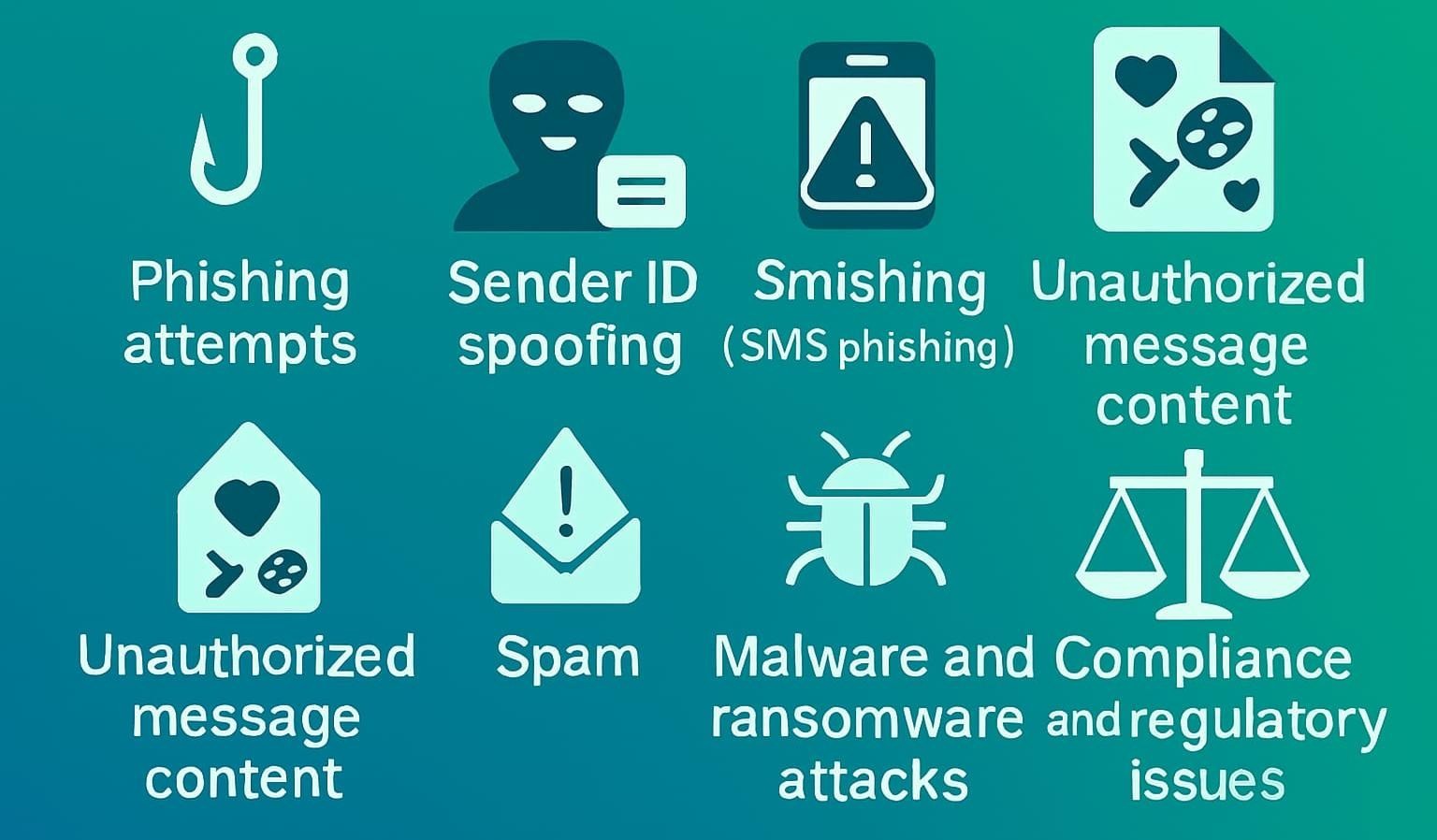
Before we explore the security measures, let's understand the types of threats that A2P security protects against:
- Phishing attempts: Scammers send fake links to trick people into giving away sensitive info.
- Sender ID spoofing: Fraudsters pretend to be trusted brands, which can damage reputation and trust.
- Smishing (SMS phishing): Scammers try to steal personal or financial info through deceptive texts.
- Unauthorized message content: Sending inappropriate or regulated content, like adult services or gambling, can lead to legal issues.
- Spam: Unwanted messages clutter inboxes, hurting brand reputation and causing frustration.
These threats can have serious consequences, including financial losses due to fraud and scams, legal issues and penalties, damage to reputation and loss of customer trust. By understanding these threats, businesses can take steps to protect themselves and their customers.
Key A2P Security Measures
To safeguard users from harmful messages, global carriers, regulatory bodies, and messaging platforms have established robust security standards. These standards comprise six core components:
- Message Filtering: Carriers and platforms use algorithms to filter out spammy or suspicious content, including suspicious URLs, trigger words, and unregistered sender IDs.
- Sender Verification: Businesses must verify their identity to send A2P messages, eliminating spoofing and ensuring only trusted brands access the network.
- Content Scanning: Advanced technologies scan messages for threats like phishing links, malware, and prohibited content, protecting users and complying with regulations.
- User Reporting & Feedback Loops: Users can report unwanted messages, improving filtering and blocking systems over time.
- Campaign Registration: Businesses must register campaigns and use cases through The Campaign Registry (TCR) to comply with 10DLC regulations, reducing spam and increasing deliverability.
- Age Gate Requirements: Industries dealing with age-restricted products must implement age verification mechanisms to ensure messages aren't sent to underage audiences and content remains compliant with legal age thresholds.
These security components work together to protect users from:
- Harmful messages and scam
- Spam and unwanted content
- Spoofing and phishing attacks
- Non-compliant or prohibited content
- Data breaches and security threats
By implementing these measures, businesses and messaging platforms can ensure a safer and more secure messaging experience for users.
Why A2P Security Is Good for Business
Secure A2P messaging isn't just a technical requirement — it's a competitive advantage. Here are some benefits:
- Higher Deliverability: Registered and verified campaigns see fewer blocks and more consistent message delivery, ensuring your messages reach their intended audience. This leads to increased engagement, conversions, and customer loyalty.
- Better Engagement: Messages from trusted senders are more likely to be read and acted upon. When customers trust the sender, they're more likely to respond, make purchases, or take desired actions.
- Stronger Compliance: Avoid fines, suspensions, or legal risks by following industry standards and regulations. Compliance protects your business reputation, ensures customer trust, and prevents financial losses.
- Improved Brand Trust: A safe, secure message builds loyalty and confidence in your brand. When customers feel secure, they're more likely to engage, make repeat purchases, and recommend your brand to others.
By prioritizing A2P security, businesses can stay ahead of the competition, build strong customer relationships, and achieve long-term success.
At NXT, we're dedicated to protecting our users by implementing standardized A2P security practices including
- Filtering out harmful messages with carrier-compliant message filtering
- Registering campaigns through TCR to prevent spam
- Ensuring age-restricted content is only sent to appropriate audience
- Verifying sender identities to prevent spoofing
- Complying with CTIA and local regulations to ensure responsible messaging
Our platform goes beyond just sending messages. We're committed to helping businesses connect with their audience safely, legally, and effectively. By prioritizing security and compliance, we're building a trusted platform for businesses to thrive.
Get started today with NXT — drive engagement and conversions with our messaging solutions. Enjoy powerful features like message automation, contact management, unlimited contacts, and more!