
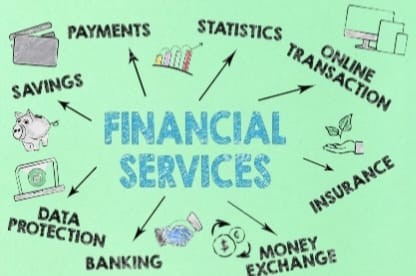
Whether you're a bank, insurance provider, microfinance institution, or fintech startup, in today’s digital landscape, customers expect real-time updates and personalized communication. Interestingly, one channel that helps you deliver it all is SMS. With open rates of over 98% and near-instant delivery, SMS remains one of the most trusted and effective ways to reach clients. From transaction alerts to fraud prevention, it’s not just a communication tool, it also helps you build meaningful relationships with your customers. Let’s explore how SMS solutions can enable you to enhance your financial services, improve engagement, and drive better customer experiences.
Why SMS Works for Financial Institutions
By leveraging SMS, financial institutions can provide customers with timely, secure, and transparent communication, ultimately enhancing the overall customer experience and strengthening trust. Here are some key benefits of using SMS for financial services:
- Instant Delivery and Action: Notify customers in real-time, enabling quick decisions and prompt responses to critical updates.
- Secure and Direct Communication: SMS bypasses internet dependencies and spam filters, ensuring messages are delivered safely and reliably.
- Boosts Trust and Transparency: Keep customers informed 24/7, fostering a sense of control, confidence, and consistent engagement.
- Cost-Effective Solution: Reduce the burden on call centers and service desks by automating common updates, significantly cutting operational costs.
- Perfect for Mobile-First Economies: Reach customers anytime, anywhere, even when they’re offline, making SMS ideal for markets with high mobile usage.
Use Cases of SMS in Financial Services
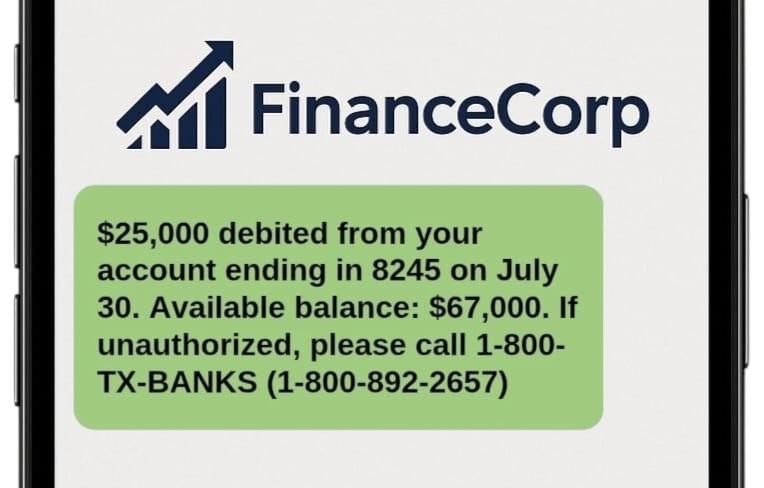
Transaction Alerts
Keep customers informed with timely notifications about deposits, withdrawals, or card usage in real time, enhancing transparency, building trust, reducing inquiry calls, and improving overall customer satisfaction. Financial institutions that use SMS alerts have seen up to a 60% reduction in customer service inquiries, as automated transaction notifications replace the need for manual follow-ups .
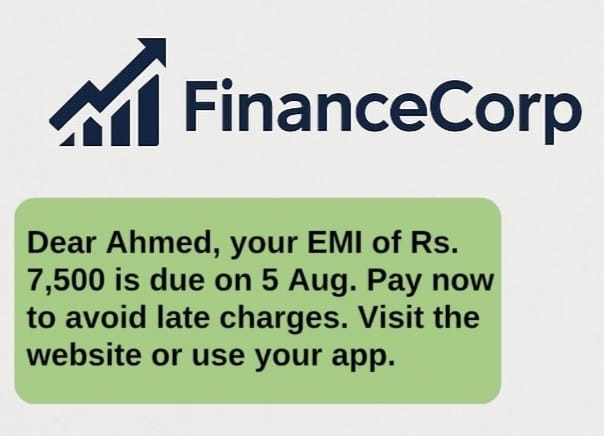
Loan & EMI Reminders
Improve recovery rates by sending timely payment reminders to customers. These reminders can also include payment updates to support a more efficient collection process. SMS helps reduce late payments, enhances customer satisfaction, and ultimately strengthens customer loyalty. Sending SMS reminders with loan officer names led to a 41% reduction in late repayments among repeat borrowers.
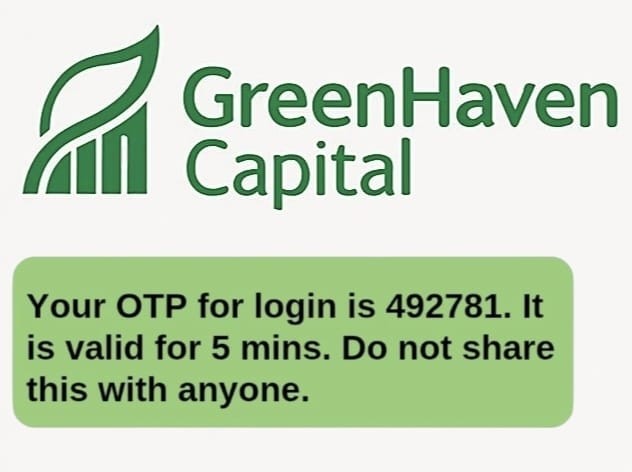
One-Time Passwords (OTPs)
Secure logins, transactions, and password resets by sending time‑sensitive OTPs via SMS. This enhances security, reduces fraud risks, and ensures a convenient and compliant authentication experience, meeting regulatory standards for secure digital transactions. 93% of enterprises worldwide use SMS OTP for verification in scenarios like logins, high‑value transactions, and account access from unknown devices.
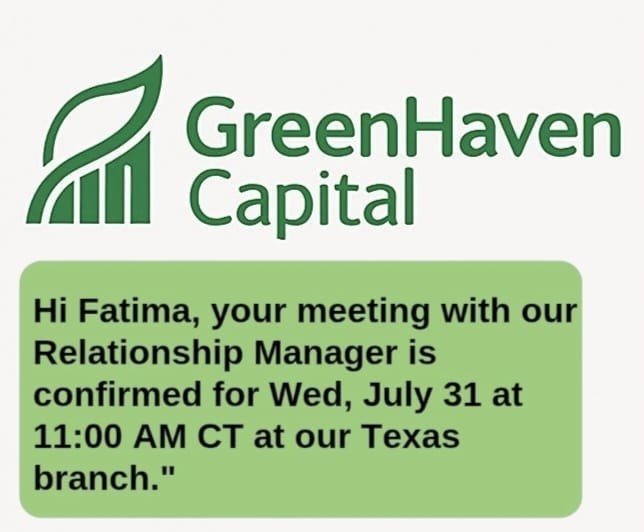
Appointment Confirmations & Reminders
Reduce no-shows and improve service delivery by sending timely SMS confirmations and reminders. This not only helps lower the number of missed appointments but also enhances operational efficiency and boosts overall customer satisfaction.
Promotional Offers
Promote exclusive loan rates, investment plans, or credit card upgrades via SMS. These targeted messages can be personalized based on customer preferences and past behavior. This strategy helps increase customer engagement and ultimately drives higher conversion rates 72% of consumers made a purchase after receiving a text message from a brand.

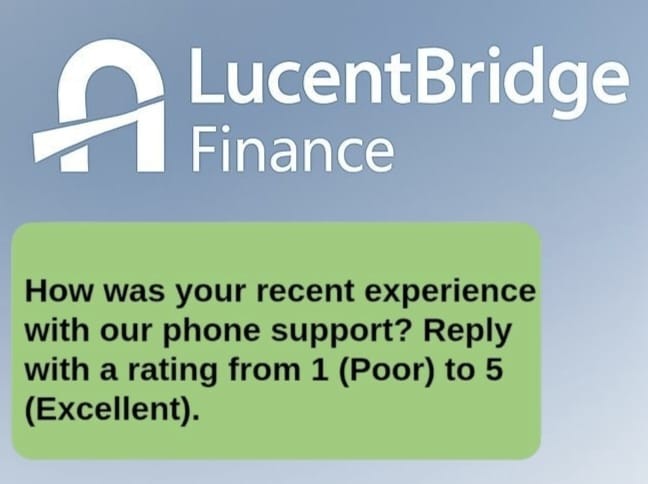
Customer Feedback Collection
SMS is an excellent tool for collecting customer ratings and feedback after service interactions. It allows businesses to gather real-time insights, identify areas for improvement, and enhance service quality for future interactions.
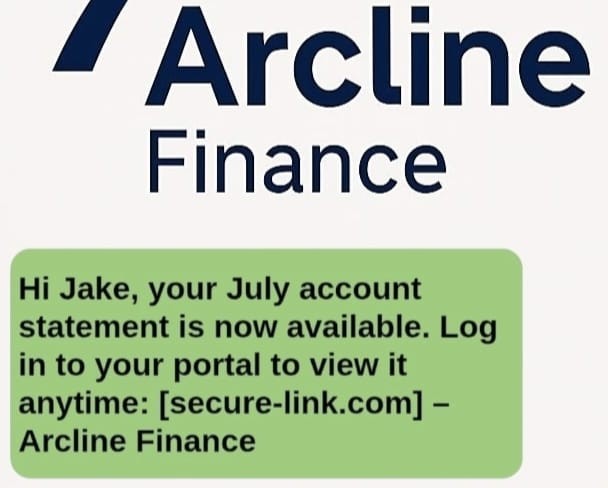
Monthly Statement Alerts
Notify customers via SMS when their account or credit card statement is ready, along with a timely alert about account details. This enhances transparency, builds customer trust, and reduces the reliance on printed paper statements, cutting both cost and environmental impact. According to industry data, banks that switch clients to electronic statement delivery can eliminate up to two‑thirds of per‑customer statement costs, with paper statements averaging around $9 per household per year and most of this can be avoided through e-statements (around 66% savings).
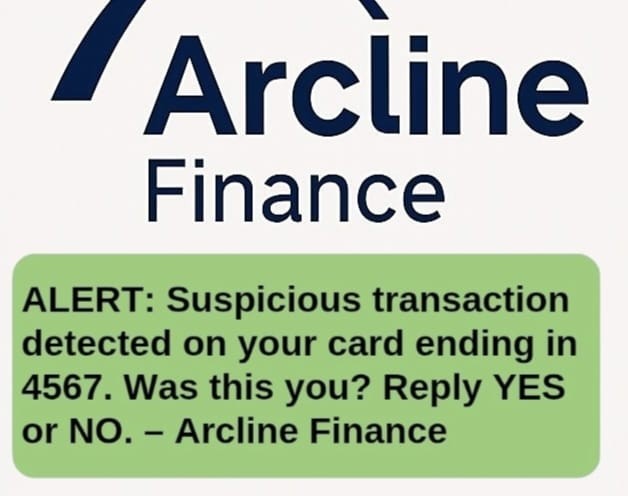
Fraud Alerts and Suspicious Activity
Help customers act quickly if suspicious activity is detected by sending real-time SMS alerts. These timely notifications reduce fraud risk, minimize potential losses, and significantly improve customer trust and loyalty.
How NXT helps financial institutions deliver SMS solutions easily and effectively
- Bulk Messaging: Reach thousands of customers instantly with important alerts like transaction notifications, payment reminders, or promotional offers, without manual effort.
- Contact Management: Easily import, tag, and segment your customers (e.g., loan holders, card users) to send targeted messages based on account type or service preferences.
- Personalization: Boost engagement by sending messages with dynamic fields like customer name, account number, or due date, ideal for personal touch in reminders and alerts.
- Scheduled Campaigns: Set up campaigns like EMI reminders or statement alerts in advance. Let NXT handle the scheduling, so your team can focus on service.
- 2-Way Messaging: Enable real-time customer support via SMS. Let users reply to alerts, confirm appointments, or raise concerns without needing to call.
- Analytics Dashboard: Track message delivery, open rates, and customer replies to measure performance, optimize communication, and ensure compliance.
- Templates Library: Access ready-to-use message templates for transaction alerts, fraud notifications, payment reminders, and more, saving time and ensuring consistency.
- Automation: Trigger messages based on customer actions, like account login, failed payment, or nearing due dates, ensuring timely communication without manual input.
Best Practices for SMS in Financial Services
To get the most out of SMS communication in the financial sector, follow these key best practices:
- Always Get Consent: Make sure your customers have opted in to receive SMS. This builds trust and ensures compliance with regulations.
- Keep It Clear and Concise: Use simple and direct language. Avoid jargon. Customers should instantly understand the purpose of your message.
- Use Personalization: Add a personal touch by including names or account details.
- Time Your Messages Right: Send alerts and reminders at appropriate times, e.g., loan reminders during business hours, fraud alerts instantly.
- Include a Clear Call-to-Action: Let the customer know what to do next, whether it’s replying, clicking a link, or contacting support.
- Use Automation: Use automation tools like NXT to trigger reminders, alerts, and confirmations based on customer behavior or schedules.
- Monitor and Improve: Regularly review delivery rates, response rates, and customer feedback to improve your SMS strategy over time.
- Ensure Data Security: Follow best practices for protecting customer data and use SMS for secure but limited types of communication.
In a trust-driven industry like finance, timely and secure communication is everything. SMS lets you be where your customers are, right in their pocket. And with NXT, you can deliver these messages smartly. NXT empowers financial institutions to automate communication, personalize customer journeys, and stay compliant, all from one smart, scalable platform.
Get started today with NXT — drive engagement and conversions with our messaging solutions. Enjoy powerful features like message automation, contact management, unlimited contacts, and more!